
Renovations Create Hidden Air Quality Problems
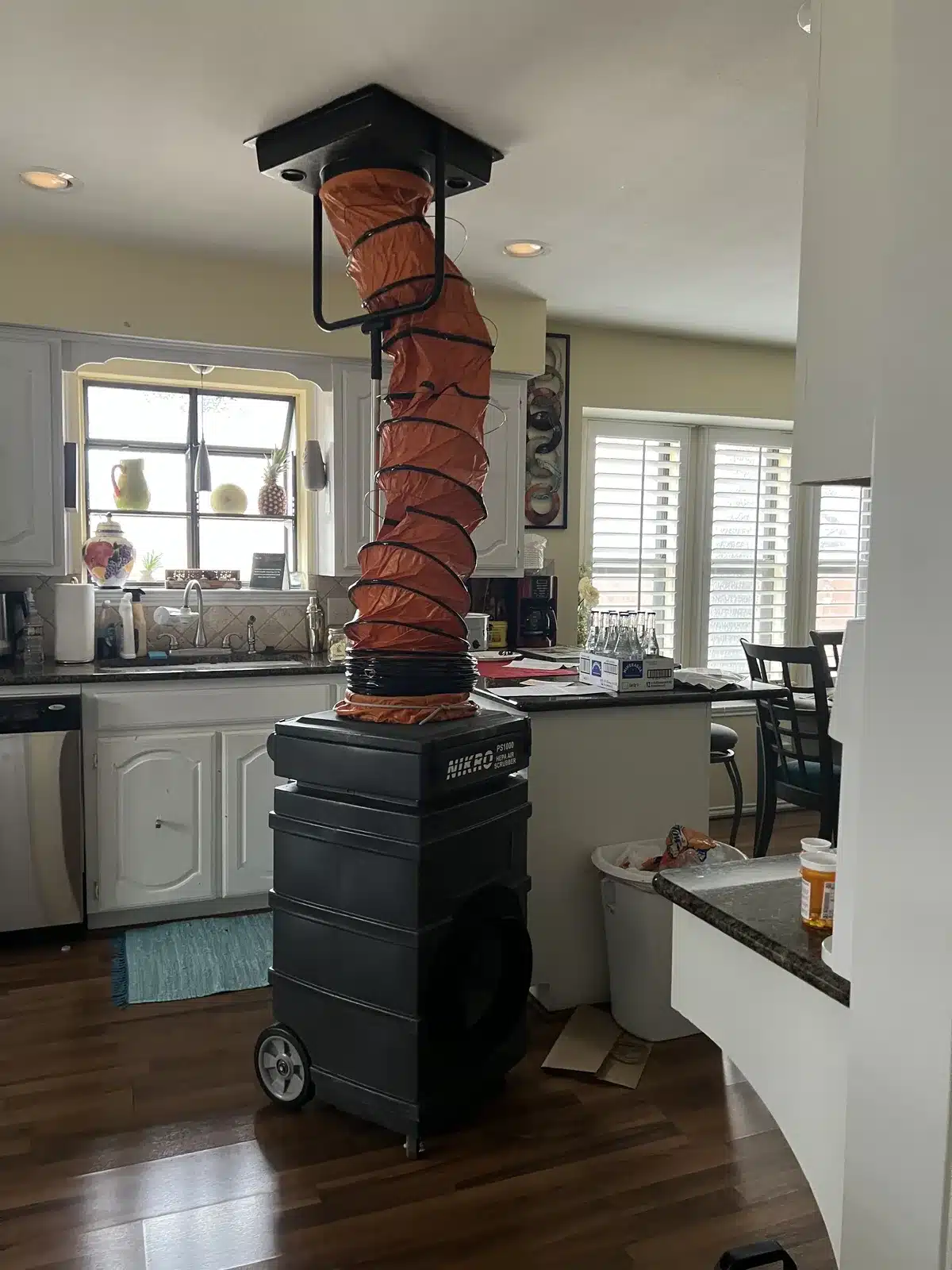
Home renovations are exciting - new kitchens, updated bathrooms, fresh paint, and modern finishes can transform your living space. But there's something most homeowners in the Dallas-Fort Worth area don't think about until after the contractors leave: what all that construction dust did to their HVAC system.
During any renovation, massive amounts of fine particulate matter become airborne. Drywall dust, sawdust, paint particles, adhesive fumes, insulation fibers, and concrete dust don't just settle on floors and countertops. They get pulled directly into your air duct system through return vents, and your HVAC distributes them to every room in the house.
The short answer to whether you should clean your ducts after a renovation is yes - almost always. Here's why it matters and what to expect.
What Construction Dust Does to Your HVAC System
Construction dust particles are different from everyday household dust. Drywall dust, for example, contains gypsum and silica - fine white powder that clings to duct walls and is difficult to remove without professional equipment. Sawdust from framing or cabinet work contains wood fibers that can trap moisture and promote mold growth inside dark ductwork.
When these particles enter your HVAC system, several things happen. First, your air filter gets overwhelmed quickly. Most standard filters aren't designed to handle the volume of particulates a renovation generates. Second, dust that passes through the filter coats the interior surfaces of your ducts, blower fan, evaporator coil, and other components. Third, every time your system cycles on after the renovation, it pushes that construction debris back into your living space.
In North Texas, where homes rely on air conditioning from April through October, a contaminated duct system means you're breathing construction residue for months after the project wraps up. That persistent dusty smell many homeowners notice after renovations isn't just leftover surface dust - it's your HVAC recirculating what settled inside the ductwork.
Types of Renovations That Require Duct Cleaning
Not every home project creates the same level of duct contamination. Here's a breakdown of common renovations and how they affect your air ducts:
Kitchen and bathroom remodels are among the worst offenders. These projects typically involve demolition, drywall work, tile cutting, grouting, painting, and cabinet installation. Each step generates different types of fine dust that infiltrate your ductwork. If your contractors didn't seal off return vents during the work - and most don't unless specifically asked - your ducts absorbed significant debris.
Whole-house painting and flooring projects spread volatile organic compounds (VOCs) and fine particulates throughout the home. Even with windows open, your HVAC system pulls these airborne particles into the duct network. Sanding hardwood floors is particularly problematic because wood dust is extremely fine and travels far from the work area.
Room additions and structural work generate heavy construction dust including concrete, mortar, and insulation particles. These projects often require opening walls, which exposes ductwork directly to the construction zone.
Even smaller projects like popcorn ceiling removal can severely contaminate your ducts. Older popcorn ceilings in many Dallas-area homes built before the 1980s may contain asbestos, making post-removal duct cleaning not just recommended but essential for safety.
How to Protect Your Ducts During a Renovation
The best approach is preventing contamination in the first place. If you're planning a renovation in your DFW home, here are steps to minimize duct exposure:
Cover all supply and return vents in the work area with plastic sheeting and tape before construction begins. This simple step blocks the majority of airborne debris from entering your ductwork. Use heavy-duty plastic, not thin painter's drop cloths, and seal all edges with painter's tape.
Turn off your HVAC system during heavy dust-producing activities like demolition, drywall sanding, and tile cutting. This prevents the blower from actively pulling contaminated air into the system. In Texas summers, this may not be practical for long periods, so coordinate with your contractor to schedule the dustiest work during cooler morning hours when you can shut the system down temporarily.
Ask your contractor to use dust barriers and negative air pressure machines in the work zone. Professional contractors in the Dallas area should be familiar with containment practices that isolate the renovation area from the rest of your home.
Change your HVAC filter immediately after major dusty phases of the project, and again when construction is fully complete. Consider using a higher-rated temporary filter (MERV 13) during the renovation period.
When to Schedule Post-Renovation Duct Cleaning
Timing matters. Don't schedule duct cleaning while construction is still ongoing - that defeats the purpose. Wait until all work is complete, the final cleanup is done, and any paint or finish odors have dissipated (usually 3 to 7 days after the last contractor leaves).
Professional air duct cleaning after a renovation typically takes 3 to 5 hours for an average DFW home. The process involves inspecting the entire duct system, using agitation tools to dislodge debris from duct walls, and extracting the loosened material with high-powered vacuum equipment.
For major renovations, technicians may also recommend cleaning the evaporator coil, blower assembly, and drain pan - components that are particularly susceptible to construction dust buildup. A clogged evaporator coil reduces cooling efficiency, which hits your wallet hard during a Dallas summer when your AC runs 12 to 16 hours a day.
What Happens If You Skip Post-Renovation Duct Cleaning
Some homeowners hope the dust will work itself out over time. It doesn't. Here's what you risk by skipping professional duct cleaning after a renovation:
Reduced HVAC efficiency is the most immediate consequence. Construction dust coating your evaporator coil and clogging your ductwork forces your system to work harder. In DFW's extreme summer heat, an inefficient HVAC system leads to noticeably higher electric bills and uneven cooling throughout your home.
Respiratory irritation is common when construction dust circulates through your home for extended periods. Drywall dust contains fine silica particles that can irritate the lungs, throat, and eyes. Family members with asthma, allergies, or other respiratory conditions may experience worsening symptoms.
Mold growth becomes a risk when organic construction materials (wood dust, paper-backed drywall) combine with the humidity inside your duct system. The dark, damp environment inside ducts is ideal for mold, and once established, it spreads quickly and requires more extensive remediation.
Premature HVAC component failure can result from heavy dust buildup on moving parts. Blower motors, fan blades, and compressors all have shorter lifespans when operating under the strain of excessive debris. Replacing an HVAC component costs significantly more than a duct cleaning.
Combining Services for the Best Results
Post-renovation is an excellent time to address multiple air quality concerns at once. Many homeowners in Dallas, Fort Worth, Plano, and surrounding cities combine duct cleaning with these complementary services:
Air duct sanitizing eliminates bacteria, mold spores, and odors that may have developed during the renovation period. This is especially valuable if your HVAC was running during any phase of construction.
UV light installation provides ongoing protection by neutralizing biological contaminants as air passes through your system. It's a smart long-term investment after investing in a home renovation.
Dryer vent cleaning is often overlooked but equally important. Construction dust frequently enters dryer vent lines, increasing fire risk and reducing dryer efficiency.
Get Your Home Back to Clean After Your Renovation
You invested in making your home better - don't let hidden construction debris in your ductwork undermine that investment. Professional air duct cleaning after a renovation ensures your family enjoys both the visual improvements and the clean, healthy air you deserve.
Local Ducts Experts serves homeowners throughout the Dallas-Fort Worth metroplex, including Dallas, Fort Worth, Plano, Frisco, McKinney, Allen, Richardson, Irving, Arlington, Garland, Grand Prairie, and Flower Mound. We've cleaned ducts in hundreds of recently renovated homes across North Texas and know exactly what to look for.
Call us at (469) 444-1064 to schedule your post-renovation duct cleaning. We'll inspect your system, remove the construction debris, and make sure your HVAC is running at peak efficiency for the season ahead.