
Your HVAC system is the most-used piece of equipment in your entire home. In Dallas-Fort Worth, the air conditioner runs for six to eight months of the year, and the heating system covers another three to four. No other appliance in your house works that hard, and no other appliance has as much impact on your comfort, health, and utility bills. Yet most homeowners never schedule a professional HVAC inspection until something breaks.
A proper HVAC inspection is not a sales call. It is a systematic evaluation of every part of the system designed to catch problems before they turn into failures, identify efficiency losses, and verify that the equipment is operating safely. In this guide, we will explain exactly what an HVAC inspection includes, why DFW homes especially benefit, and what to expect from a professional visit.
What Is HVAC System Inspection?
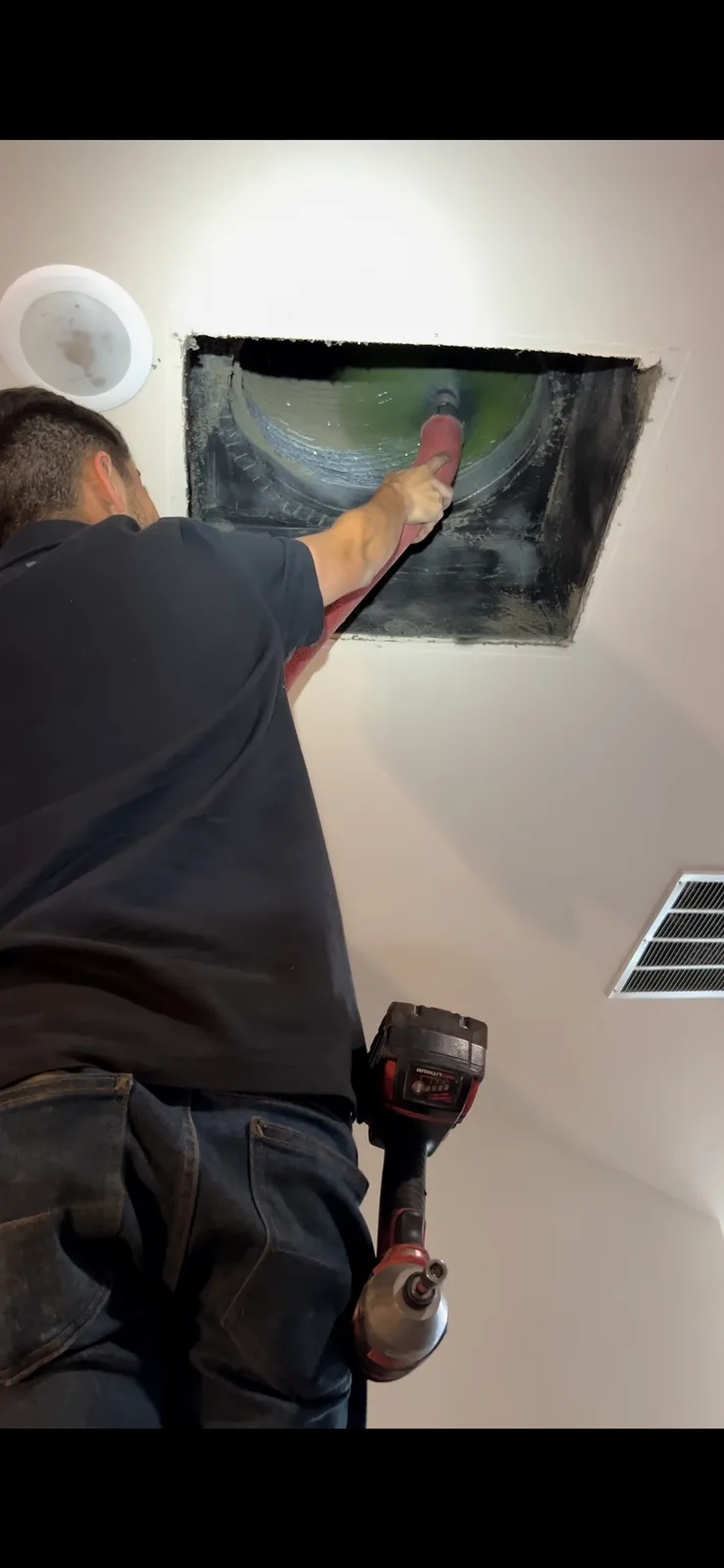
An HVAC inspection is a thorough evaluation of every component that heats, cools, and distributes air in your home. It includes the outdoor condenser unit, the indoor air handler or furnace, the evaporator coil, the blower assembly, the thermostat and controls, the ductwork, the plenum, the registers and returns, and the filter system.
A professional HVAC inspection uses specific test tools, manometers for static pressure, clamp meters for electrical draw, refrigerant gauges for system pressures, combustion analyzers for gas systems, and thermal cameras for duct leakage. The results give the homeowner a clear, objective picture of how the system is performing and what it needs.
Inspection Versus Repair
An inspection identifies issues. It does not automatically fix them. After the inspection, the homeowner receives a written report that lists any findings and recommended actions. From there, the homeowner decides what to address and when.
How an HVAC Inspection Works
During an HVAC inspection, trained technicians follow a checklist that covers every major system component. The specific tests vary slightly between cooling-only, heating-only, and full system inspections, but the core structure is consistent.
Outdoor Unit Evaluation
The technician inspects the condenser coil for debris and bent fins, checks the contactor and capacitor for wear, measures refrigerant pressures against manufacturer specifications, and tests the condenser fan motor draw. Electrical connections are checked for corrosion and tightness.
Indoor Unit Evaluation
The air handler or furnace is inspected inside and out. The blower wheel is checked for cleanliness and balance, the evaporator coil is evaluated for biofilm or mold, the drain pan and condensate line are tested for proper drainage, and the electrical components are verified for safe operation.
Airflow and Duct Testing
Static pressure is measured at multiple points to identify restrictions. Supply airflow is measured at each register to confirm proper distribution. Ducts are inspected for visible leaks, disconnections, or damage.
Controls and Safety
The thermostat is calibrated, safety switches are tested, and for gas systems, the heat exchanger is inspected for cracks and the combustion is analyzed for proper air-to-fuel ratio and safe carbon monoxide levels. Carbon monoxide is a real concern with gas systems, and the U.S. Fire Administration notes that CO poisoning can occur when a fuel-burning appliance like a furnace is not working or vented properly.
Documentation
The technician compiles findings into a written report with photos. This report becomes the baseline against which future service is compared.
Signs You Need an Inspection
Some situations make an HVAC inspection strongly advisable.
- You just bought a home and do not know the system history
- The equipment is more than seven years old and has not been inspected
- Energy bills have risen noticeably
- One or more rooms are not cooling or heating well
- You hear unusual noises from the unit
- The system short-cycles or runs constantly
- You notice burning, musty, or chemical smells
- You plan to sell your home and want documentation
- It is simply time for seasonal maintenance before the next season begins
In the DFW region, pre-summer inspections in late winter or early spring are especially valuable.
Why DFW Climate Makes Inspections Critical
The Dallas-Fort Worth climate is one of the most demanding environments in the country for residential HVAC equipment. Summer conditions routinely produce outdoor temperatures above one hundred degrees for weeks at a time. Your condenser is operating at the outer edge of its design envelope almost daily during those stretches.
That level of stress reveals weaknesses that would stay hidden in milder climates. A capacitor that is marginally weak will fail in August heat. A refrigerant charge that is slightly off will cause the unit to freeze up in high humidity. A blower motor that is drawing excess current will overheat when run-time doubles. An HVAC inspection catches these problems in the spring, before the system is pushed to the breaking point.
DFW also has aggressive temperature swings between day and night, especially in spring and fall. Equipment cycles thousands of times per year more than systems in milder climates, which accelerates wear on contactors, starters, and fans. The more cycles a system experiences, the more valuable regular inspection becomes.
Finally, the region's dust, pollen, and construction activity load HVAC systems with particulate that degrades performance. An inspection confirms whether filter systems are keeping up or whether the equipment is being compromised.
What to Expect From a Technician Visit
A professional HVAC inspection typically takes between sixty and ninety minutes for a standard residential system. A trained HVAC technician will arrive with a complete tool kit, including electrical meters, refrigerant gauges, manometers, thermometers, and camera equipment.
They will walk through the home to locate all components, place drop cloths to protect floors, and work methodically through the inspection checklist. You are welcome to follow along and ask questions, most technicians appreciate an engaged homeowner and will explain what they find as they go.
At the end of the visit, you should expect a written report with photos, measurements, and clear recommendations. Any findings will be categorized by urgency, immediate safety issues, performance concerns that should be addressed soon, and routine items to monitor.
Why Professional Inspection Beats DIY
There are parts of HVAC maintenance a homeowner can do, changing filters, keeping the outdoor unit clear of debris, watching for obvious problems. But a real inspection is not one of those things.
Professional inspection requires calibrated instruments. You cannot measure refrigerant pressures without gauges, static pressure without a manometer, or combustion byproducts without an analyzer. You cannot evaluate a heat exchanger for cracks without a proper camera, and you cannot measure airflow accurately without specialized tools.
It also requires training to interpret findings correctly. A reading in isolation means little. A trained HVAC technician knows what the numbers should be for your specific equipment and climate, and what it means when the readings drift out of spec.
Attempting electrical work inside the unit without the right knowledge can cause shocks, short circuits, or equipment damage that costs many times what a professional inspection would have. The value of a professional inspection is not just finding problems, it is finding them correctly.
Frequently Asked Questions
How often should I get my HVAC inspected?
Once a year at minimum. In the DFW climate, many homeowners schedule HVAC inspection twice, a spring visit for cooling readiness and a fall visit for heating readiness.
Does an inspection come with repairs?
No. The inspection identifies issues and documents them. Repairs are quoted separately and performed only with your approval.
What is the best time of year for inspection in DFW?
Late winter or early spring, before the cooling season begins, is the ideal window for an HVAC inspection. This catches issues before the equipment is stressed and gives you time to address them on your schedule rather than during a breakdown.
Will an inspection really save me money?
Catching small issues before they become major failures is the most reliable way to extend equipment life. Identifying efficiency losses also reduces operating costs during the long DFW cooling season.
Is the inspection process invasive?
No. The technician works with existing access panels and standard service points. Your home stays clean, and the equipment is fully reassembled before the technician leaves.
Schedule Your Free Inspection Today
Whether your system is brand new, pushing fifteen years, or somewhere in between, a professional HVAC inspection gives you the information you need to make smart decisions. Our trained HVAC technicians will evaluate every component and give you a clear, honest report.
For related services, see our city pages for HVAC inspection across the DFW metroplex.
Call (469) 444-1064 today to schedule your free inspection.