
A musty smell from AC vents is one of the most common complaints duct techs hear across Dallas-Fort Worth, and it usually follows the same script: the system kicks on, you catch a whiff of damp gym bag, and it fades until the next cycle. That smell is not random. It is moisture meeting dust somewhere inside your cooling system, and in North Texas humidity that combination turns into microbial growth quickly. Here is how to figure out where the odor actually lives, what fixes it, and when the job belongs to an HVAC technician instead of a duct company.
Dirty Sock Syndrome: The Smell With a Name
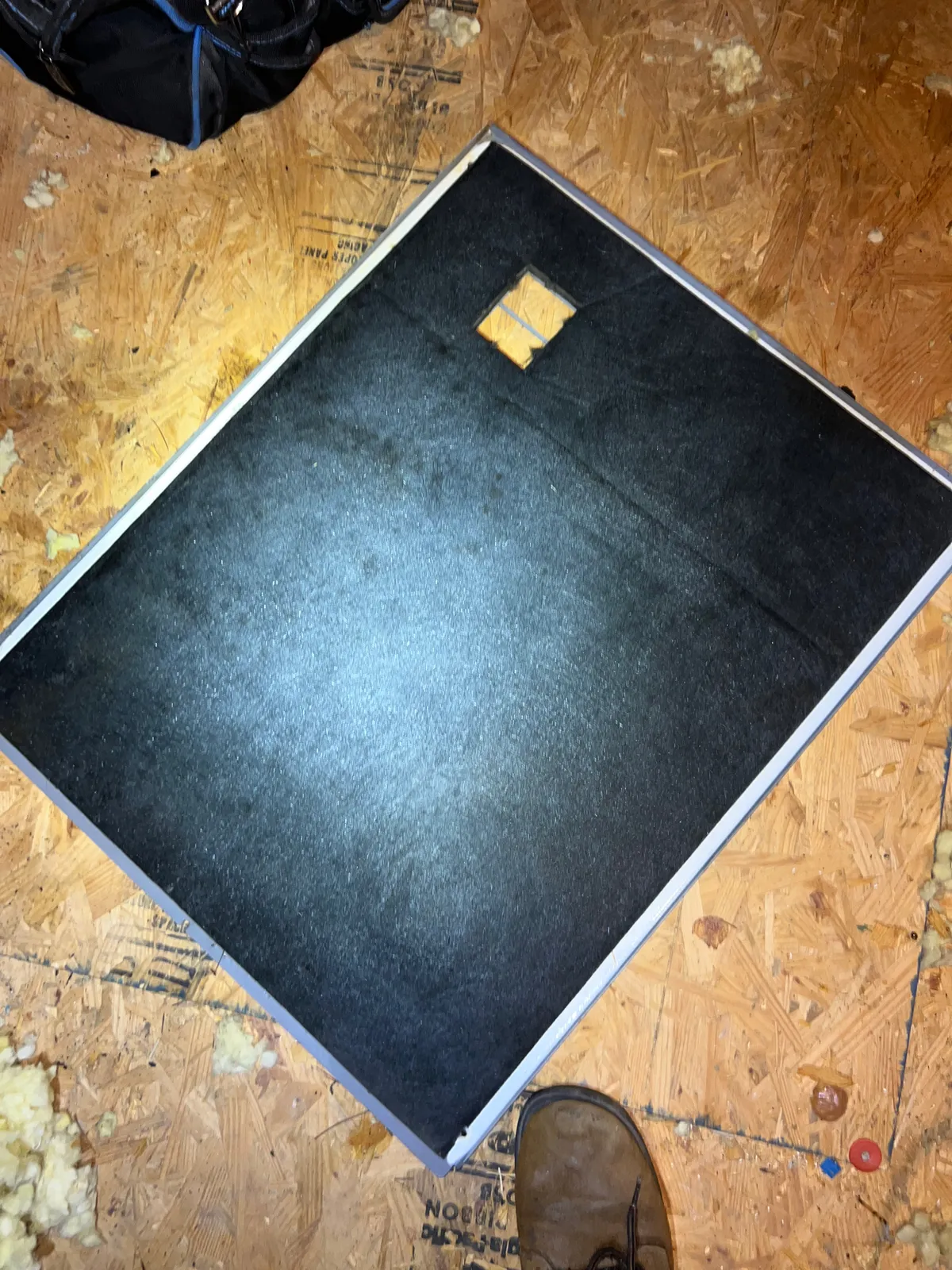
Technicians call the classic version of this problem dirty sock syndrome, and the name fits. It starts when bacteria build up on the evaporator coil, the cold, radiator-like part your household air passes over. That coil stays wet almost around the clock during the Texas cooling season because it is constantly pulling humidity out of the air. Dust sticks to the wet metal, bacteria feed on the dust, and the film they leave behind releases that sour locker-room odor every time air moves across it.
North Texas is prime territory for it because our winters are mild and choppy. Systems here run heat in short bursts, warming the coil just enough to wake the growth up without ever drying it out completely. The worst flare-ups hit in spring and fall, when the thermostat flips between heating and cooling in the same week, which is every March and October in DFW.
Texas Humidity Turns Coils and Plenums Into Petri Dishes
From late May into October, DFW pulls in sticky Gulf air day after day, and your AC's main job quietly becomes dehumidification. All of that moisture condenses on the coil and drips through the plenum, the sheet metal or ductboard box that connects the unit to your ductwork. The coil and the plenum are the two dampest spots in the entire system, so they are where growth starts first.
Housing stock matters here. Plenty of ranch homes in East Dallas and Lake Highlands built in the 60s and 70s still have ductboard plenums, a fiberglass panel material that holds moisture like a sponge once it ages. A degraded plenum keeps re-seeding odor into the ductwork no matter how many filters you change, which is why plenum box restoration exists as its own service. Newer builds in Frisco and Prosper often have the opposite problem: tight construction and oversized equipment that cools the air fast but shuts off before it wrings the humidity out, which keeps everything downstream of the coil damp.
Check the Drain Pan Before You Blame the Ducts
On a hot summer day your system pulls a surprising amount of water out of the air, and it all leaves through one narrow condensate drain line. Those lines clog with algae and gunk, the pan under the coil backs up, and standing water goes stagnant within days. Stagnant pan water smells almost exactly like the mustiness people blame on their ducts.
The check takes two minutes. Find your indoor unit, usually in a hall closet or up in the attic in DFW homes, and look at the pan beneath the coil. Standing water, rust rings, or slime means you found part of your problem. Clearing the line and treating the pan is routine maintenance, but if water has already tripped the float switch or reached the secondary pan in the attic, get it handled before it turns into a ceiling stain.
Is It the Ducts, the Coil, or Just the Filter?
Before you pay anyone for anything, spend ten minutes narrowing it down:
- Filter first. Pull it out. If it is overdue or damp, replace it and give the house a day. A damp filter also hints at an airflow or drainage issue.
- Coil or plenum. If the smell is strongest in the first minute after the system kicks on, hits every vent equally, and fades as it runs, the source is at the unit, not in the ducts.
- Ducts. Switch the thermostat fan setting to On with cooling off. If the odor keeps coming with a dry coil, the ductwork itself is holding it. That is common in homes with duct leaks pulling in attic air, or after a roof leak.
- One bad room. If a single room smells worse than the rest, suspect that duct run: crushed flex duct holding condensation, or a partially disconnected run breathing attic air.
How Sanitizing and UV Light Break the Cycle, and When to Call an HVAC Tech
Cleaning removes the dust and debris that growth feeds on, but cleaning alone does not kill what is living on the surfaces. That is the job of air duct sanitizing: an antimicrobial fog pushed through the supply and return sides after cleaning, reaching surfaces no brush ever touches. Honest caveat from someone who does this work: sanitizing knocks down what is there today. If the moisture problem stays, growth eventually comes back.
That is where UV earns its keep. A UV light installed at the coil shines on the wet surface around the clock, so new growth never gets established. For recurring dirty sock syndrome it is the closest thing to a set-and-forget fix, because it works exactly where the moisture lives.
Some of this is HVAC territory. Growth packed deep between coil fins can require pulling the coil, which involves refrigerant work. Short cycling from oversized equipment, drain line rerouting, and refrigerant problems are all HVAC jobs. And if the smell is burning, chemical, or fishy rather than musty, turn the system off and call an HVAC company the same day. That points to an electrical issue, not a microbial one. A duct company worth hiring will tell you plainly when the problem is not in its lane.
Musty AC Smell: Quick Answers
Will a new filter fix a musty smell from my AC?
Sometimes, if the filter got damp or sat too long. But if the odor returns within a few days of a fresh filter, the source is deeper: coil, plenum, drain pan, or the ducts themselves.
Is the musty smell harmful to breathe?
It signals moisture and microbial growth inside the system, and people with allergies or asthma usually notice it first. Fix the moisture source instead of masking it with scents.
How do I keep the smell from coming back?
Control moisture. Keep a regular filter schedule, have the drain line cleared each cooling season, consider UV at the coil, and sanitize after any duct cleaning. If your plenum is aging ductboard, address it too.
If your house only smells right when the AC is off, that is fixable. Local Ducts Experts is a family duct company serving Dallas, Plano, Frisco, Fort Worth, and the rest of the metroplex, and Dylan will give you a straight answer on whether your problem is the ducts, the coil, or something for an HVAC tech. Call (469) 444-1064 and describe what you smell and when it shows up. That alone usually points to the fix.