
Most homeowners have heard of air duct cleaning, but air duct sanitizing is a separate and less understood service that addresses a completely different problem. Cleaning removes the solid debris you can see and measure, dust, lint, pet hair, construction particulate. Sanitizing addresses the living organisms you cannot see, mold spores, bacteria, and microbes that survive inside the duct system even after a physical cleaning.
In the Dallas-Fort Worth climate, where humidity and heat combine to create ideal conditions for microbial growth, sanitizing is often the difference between a system that stays clean and one that recolonizes within a season. In this guide, we will explain what air duct sanitizing is, how trained HVAC technicians perform the service, and why it matters.
What Is Air Duct Sanitizing?
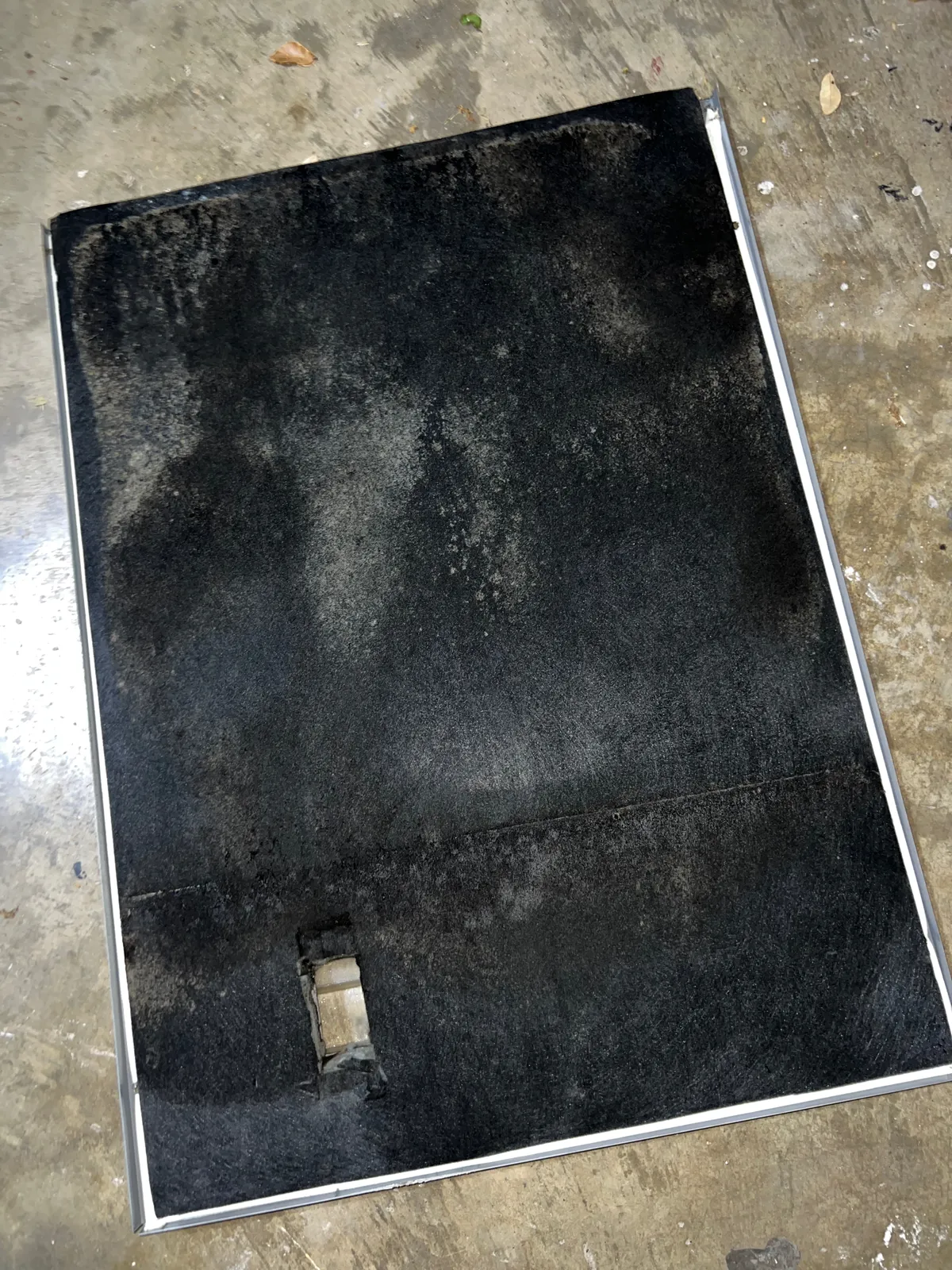
Air duct sanitizing is the professional application of a professional-grade antimicrobial treatment to the interior surfaces of your HVAC duct system. The goal is to kill mold, bacteria, viruses, and other microorganisms that have colonized inside the ducts and to leave behind a treated surface that resists recolonization for an extended period.
Sanitizing is almost always performed after a thorough cleaning, because antimicrobial solutions cannot reach surfaces that are still covered in a layer of dust or biofilm. Think of it as the second step of a two-part process, first you remove the physical contamination, then you treat the surface underneath.
Not the Same as an Air Freshener
Many homeowners confuse sanitizing with deodorizing sprays sold at hardware stores. Those products mask smells temporarily but do nothing to kill the organisms causing the odor. Professional sanitizing uses professional-grade products that are specifically formulated to eliminate microbial growth on HVAC surfaces.
How Air Duct Sanitizing Works
Trained HVAC technicians follow a structured process to make sure the antimicrobial treatment reaches every interior duct surface without damaging the system or introducing harmful residues.
Step 1: Completion of Cleaning
Sanitizing never happens on a dirty system. The ducts, coil housing, blower compartment, and plenum are all cleaned first. This ensures the antimicrobial comes into direct contact with the duct surface.
Step 2: Product Selection
The technician selects a professional-grade antimicrobial appropriate for HVAC use. Not every sanitizer is safe for ducts. Products designed for food surfaces, bathrooms, or general cleaning are not formulated for the temperatures, humidity, and airflow inside a duct system.
Step 3: Application Method
The sanitizer is applied as a fine fog or mist using specialized equipment. The HVAC blower is typically used to distribute the product throughout the system so that the treatment reaches every run of ductwork, including branches that are difficult to access directly. This guarantees coverage of the full interior surface area.
Step 4: Contact Time
Every antimicrobial requires a specific contact time to be effective. The technician will allow the product to remain on the duct surfaces for the manufacturer-specified duration before the system is returned to normal operation.
Step 5: Ventilation and Verification
The system is run on high airflow for a period of time to ventilate any residual fog and to confirm that normal operation resumes. The technician may take surface samples or photograph the treated areas as documentation.
Signs Your DFW Home Needs Sanitizing
Sanitizing is not always needed, but there are specific conditions that make it highly valuable.
- Musty smell that returns even after duct cleaning
- Visible mold in the air handler or on the evaporator coil
- Family members with allergies, asthma, or respiratory conditions
- Previous water damage in the ducts or air handler
- Recent flooding, pipe leak, or humidity problem in the home
- Strong pet odor that travels through the vents
- You just moved into a home and want a fresh baseline
- You are selling your home and want to document air quality care
Any one of these situations makes sanitizing a strong consideration.
Why DFW Climate Accelerates Microbial Growth
The Dallas-Fort Worth region has one of the most microbial-friendly climates in the country for HVAC systems. Summer humidity regularly exceeds sixty percent outdoors, and the cold evaporator coil condenses moisture continuously during cooling season. That moisture, combined with the organic material that enters through returns, creates an ideal environment for mold and bacteria to thrive.
DFW homes also experience extended cooling seasons, the AC often runs from March through October, which means the system rarely has an extended dry period where microbes would naturally die off. Unlike colder climates where winter heating dries out the ducts for months, Texas homes have short mild winters that do not provide that reset.
Add in the region's heavy pollen loads, frequent dust events, and the high volume of outdoor air that naturally infiltrates homes through duct leaks, and the result is a duct system that accumulates organic material fast and grows microbes fast. Sanitizing after cleaning breaks the cycle.
What to Expect From a Technician Visit
Air duct sanitizing is typically performed as an add-on after a complete cleaning. Expect the sanitizing portion to add forty-five minutes to ninety minutes to the total visit, depending on the size of the system.
A trained HVAC technician will show you the product being used, explain the contact time, and tell you when the home can be occupied normally again. In most cases, family members should vacate the immediate area during application and for a short period after. The technician will confirm when it is safe to return.
Before leaving, you should expect documentation of what product was used, when the treatment was performed, and what the expected duration of protection is.
Why Professional Sanitizing Beats DIY
Homeowners sometimes buy over-the-counter sanitizers and attempt to treat their own ducts. This is ineffective and potentially harmful.
First, over-the-counter products are not formulated for HVAC systems. Some contain chemicals that corrode metal components, damage insulation, or leave residues that become airborne when the blower runs. Second, without fogging equipment, you cannot reach the interior of the duct system, you can only treat what you can see through a vent opening, which is a tiny fraction of the total surface area. Third, without knowing proper contact times, most homeowners either apply too little product or fail to give it time to work.
Trained HVAC technicians have the training, the professional-grade products, and the professional equipment needed to sanitize a system correctly. They also know the warning signs that indicate a deeper problem, such as mold growing behind wet insulation, that needs to be addressed before any treatment will hold.
Frequently Asked Questions
Is sanitizing the same as cleaning?
No. Cleaning removes physical debris. Sanitizing kills microorganisms. They are two separate services, and sanitizing is most effective when performed immediately after cleaning.
Are the chemicals safe for my family?
Professional sanitizers are specifically formulated for use in HVAC systems. When applied correctly and given the proper ventilation period afterward, they leave no harmful residue in occupied spaces.
How long does the sanitizing effect last?
Most professional treatments provide extended protection against recolonization. Combined with regular filter changes and good humidity control, the effect can last months or longer.
Will this eliminate pet odors?
Sanitizing kills the bacteria responsible for many persistent odors, including those caused by pets. Combined with a thorough cleaning, most homeowners notice a significant reduction.
Can I occupy my home during the service?
Most homeowners vacate the immediate treatment area during application. Your technician will give you clear timing for when it is safe to return to normal occupancy.
Schedule Your Free Inspection Today
If your home has lingering odors, recent water issues, or ongoing allergy concerns, sanitizing may be the step your HVAC system has been missing. Our trained HVAC technicians will evaluate your system, recommend the right service, and explain every step.
For related services, see our city pages for duct cleaning and sanitizing across the DFW metroplex.
Call (469) 444-1064 today to schedule your free inspection.