
If your upstairs rooms are always hotter than the downstairs, your AC runs constantly in the summer, and your energy bills keep climbing no matter how much you turn the thermostat down, the root cause is probably above your ceiling, in the attic. The single biggest factor in how comfortable and efficient a Dallas-Fort Worth home is during the long Texas summer is the condition of the attic insulation.
Many DFW homes have insulation that was installed at minimum code decades ago, has settled, been displaced by trades working in the attic, or been damaged by rodents and storms. In this guide, we will explain what attic insulation is, how it protects your home and HVAC system, and what trained HVAC technicians look for when inspecting a DFW attic.
What Is Attic Insulation?
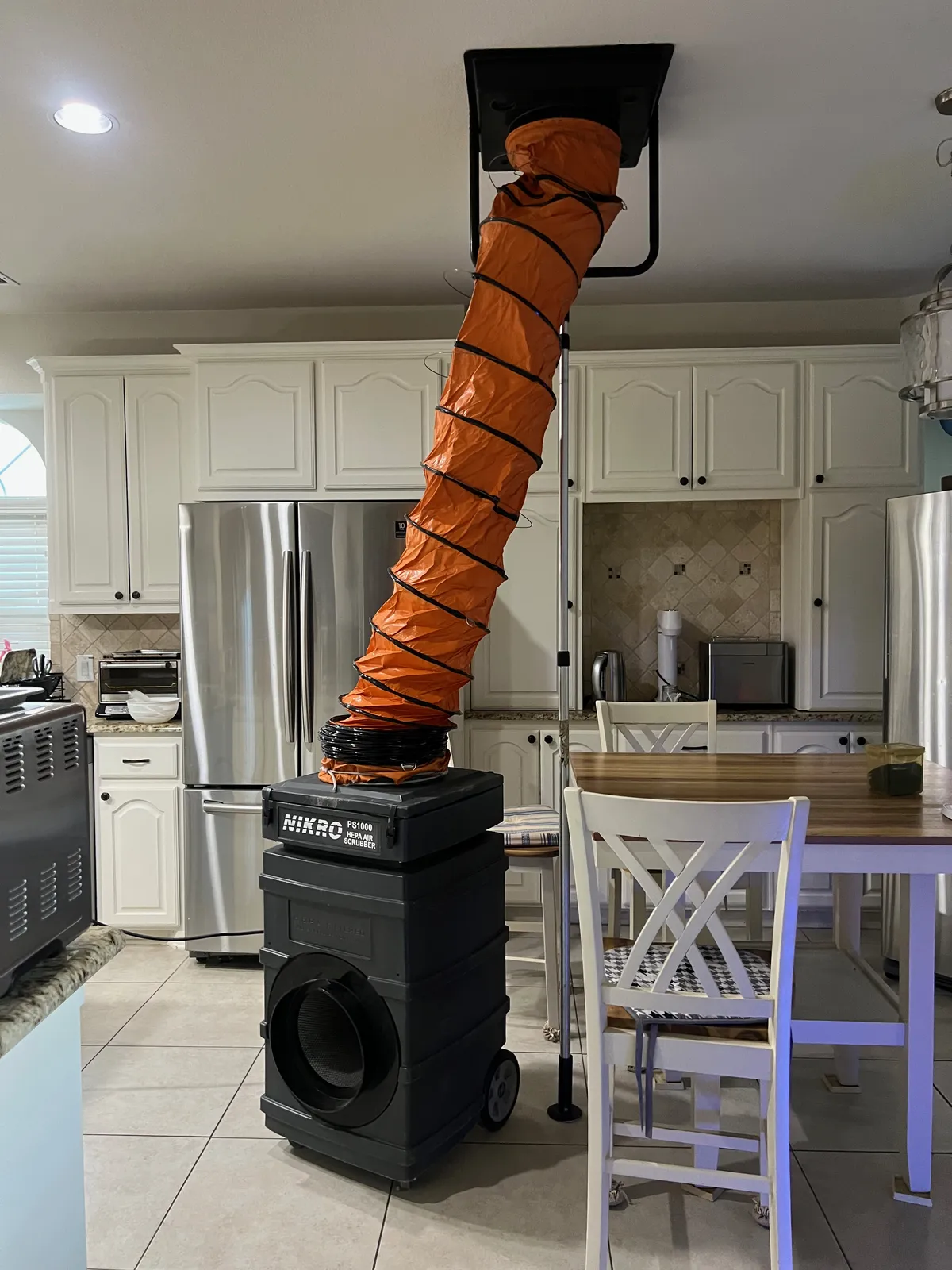
Attic insulation is the layer of thermal resistance material installed between the living space of your home and the attic above it. Its job is simple, slow the transfer of heat through the ceiling. In summer, it keeps the attic heat from radiating down into your conditioned space. In winter, it keeps the warm air you are paying to heat from escaping up and out through the roof.
Attic insulation comes in several forms, including blown-in fiberglass, blown-in cellulose, batt insulation, and spray foam. Each has different thermal properties, installation methods, and applications. The effectiveness of any insulation is measured by its R-value, the higher the R-value, the better it resists heat transfer.
Why Insulation Matters for HVAC
A home with insufficient attic insulation forces the HVAC system to work against massive heat gain through the ceiling. The AC can be perfectly sized, the ductwork can be perfectly sealed, and the unit can be brand new, but if the attic is radiating one hundred and thirty degrees down into the living space, the system will struggle.
How Attic Insulation Works
The principle is straightforward. Heat moves from warm areas to cool areas. Insulation interrupts that movement by trapping millions of tiny air pockets that slow the flow of heat.
R-Value Explained
R-value measures how well a given material resists heat flow. Current recommendations for the DFW region are R-38 to R-60 in the attic. Older homes were often built to R-19 or R-22 standards, which is far below current best practice.
Coverage and Depth
Insulation works only where it is present. Gaps around can lights, attic access hatches, HVAC chases, and plumbing penetrations allow heat to bypass the insulation entirely. Proper installation covers every square foot of the attic floor at a consistent depth.
The Air Seal Component
Insulation alone is not enough. Air leaks through the ceiling plane, around electrical boxes, plumbing vents, and top plates, allow conditioned air to escape even through a thick layer of insulation. A complete job includes air sealing before or during the insulation work.
Signs Your DFW Home Needs Attention
Insulation problems often hide until energy bills or comfort issues force the homeowner to investigate.
- Upstairs rooms are consistently hotter than downstairs in summer
- Cold floors and drafty rooms in winter
- Energy bills rising year over year
- AC runs nonstop during hot afternoons
- Visible gaps, displaced insulation, or exposed attic floor
- Signs of rodent activity in the attic
- Water stains on ceilings from past leaks
- Ice dams or condensation issues in winter
- Home is more than fifteen years old and insulation has never been checked
Any of these conditions warrants a professional evaluation.
Why DFW Homes Face Unique Challenges
The Dallas-Fort Worth climate demands more from attic insulation than most regions in the country. Summer highs regularly exceed one hundred degrees, and attic temperatures can climb to one hundred and thirty or even one hundred and fifty. Without sufficient insulation, that heat transfers down through the ceiling and into every second-floor room in the house.
DFW housing stock also presents specific issues. Many homes built during the rapid growth of the 1980s and 1990s were insulated to the minimum code at the time, which is far below current recommendations. Over decades, that insulation has settled and compressed, losing effective R-value. Attics have also been walked by roofers, plumbers, electricians, and HVAC technicians, each visit potentially displacing insulation and leaving bare spots.
Rodent activity is another common issue in DFW. Squirrels, rats, and mice nest in attics and create tunnels through the insulation that compromise both the coverage and the air quality. Storm damage from hail and wind can also tear off portions of roof decking and send water into the insulation, which destroys its R-value even after it dries.
What to Expect From a Technician Visit
A professional attic insulation inspection typically takes between one and two hours. A trained HVAC technician will enter the attic, measure insulation depth at multiple points, identify bare spots or compressed areas, inspect for pest damage or water intrusion, and evaluate the condition of any existing vapor barriers.
Afterward, they will walk you through findings with photos, explain what your current R-value is, compare it to current recommendations for the DFW region, and outline options for improvement. A full installation or top-up service is scheduled separately depending on your decision.
Expect documentation that includes measurements, photos of existing conditions, and a clear explanation of what type of insulation is currently in place.
Why Professional Installation Beats DIY
Attic insulation is sold at every hardware store, and many homeowners consider tackling it themselves. There are specific reasons this usually backfires.
First, achieving an even coverage across an entire attic requires commercial blowing equipment that most rental centers do not stock at adequate capacity. Homeowner-grade blowers deliver material unevenly, creating thin spots that defeat the purpose.
Second, attics in DFW are dangerous work environments. Temperatures of one hundred and thirty degrees plus, limited ventilation, fragile ceiling surfaces that cannot be walked on, and the presence of electrical wiring and HVAC equipment all create real hazards.
Third, proper installation requires air sealing first, identification of heat-producing fixtures that need clearance, and knowledge of moisture dynamics that can turn wet insulation into a mold problem. Trained HVAC technicians handle all of this as part of a complete service.
Fourth, insulation that covers attic-mounted HVAC equipment or blocks soffit vents can cause serious problems, from overheated units to moisture condensation in the attic. Professionals know where insulation belongs and where it does not.
Frequently Asked Questions
How much insulation should I have in my DFW attic?
Current recommendations for the region are R-38 to R-60. Most pre-2000 homes were built below this standard and benefit from additional coverage.
Can I just add insulation on top of what is already there?
Often yes, but only after inspection. Existing insulation that is wet, pest-damaged, or moldy must be removed first. Adding new material on top of contaminated insulation seals the problem in place.
Will new insulation lower my energy bills?
In most DFW homes with insufficient or degraded insulation, yes. The exact savings depend on your starting condition, home size, and HVAC system. Many homeowners see meaningful reductions.
How long does attic insulation last?
Properly installed insulation can last the life of the home in ideal conditions. In reality, settling, pest activity, water events, and foot traffic all reduce effectiveness over time. Periodic inspection is the only way to know its current condition.
What about blown-in versus batts?
Blown-in insulation fills small gaps and irregular spaces better than batts and is usually the preferred choice for attic top-ups in DFW. Batts can still be appropriate for certain applications.
Schedule Your Free Inspection Today
If your home is uncomfortable, your energy bills are climbing, or you simply do not know the condition of your attic, a professional inspection is the fastest way to find out where you stand. Our trained HVAC technicians will evaluate your attic and give you a clear, honest picture of what your insulation needs.
For related services, see our city pages for attic insulation across the DFW metroplex.
Call (469) 444-1064 today to schedule your free inspection.