
Almost nobody puts air duct cleaning when moving into a new home on their closing checklist, yet it is the task with the shortest window to get right. The day you get the keys to a house in Dallas-Fort Worth, you inherit every year the previous owners lived there, settled quietly into the ductwork: their pets, their cigarettes, their candles, their remodeling dust. I'm Dylan, and my family cleans ducts across DFW for a living. Here is what hides in a move in ready home's ducts, when to schedule the cleaning, and what your inspector never looked at.
The Previous Owners' Lifestyle Is Still in the Ducts
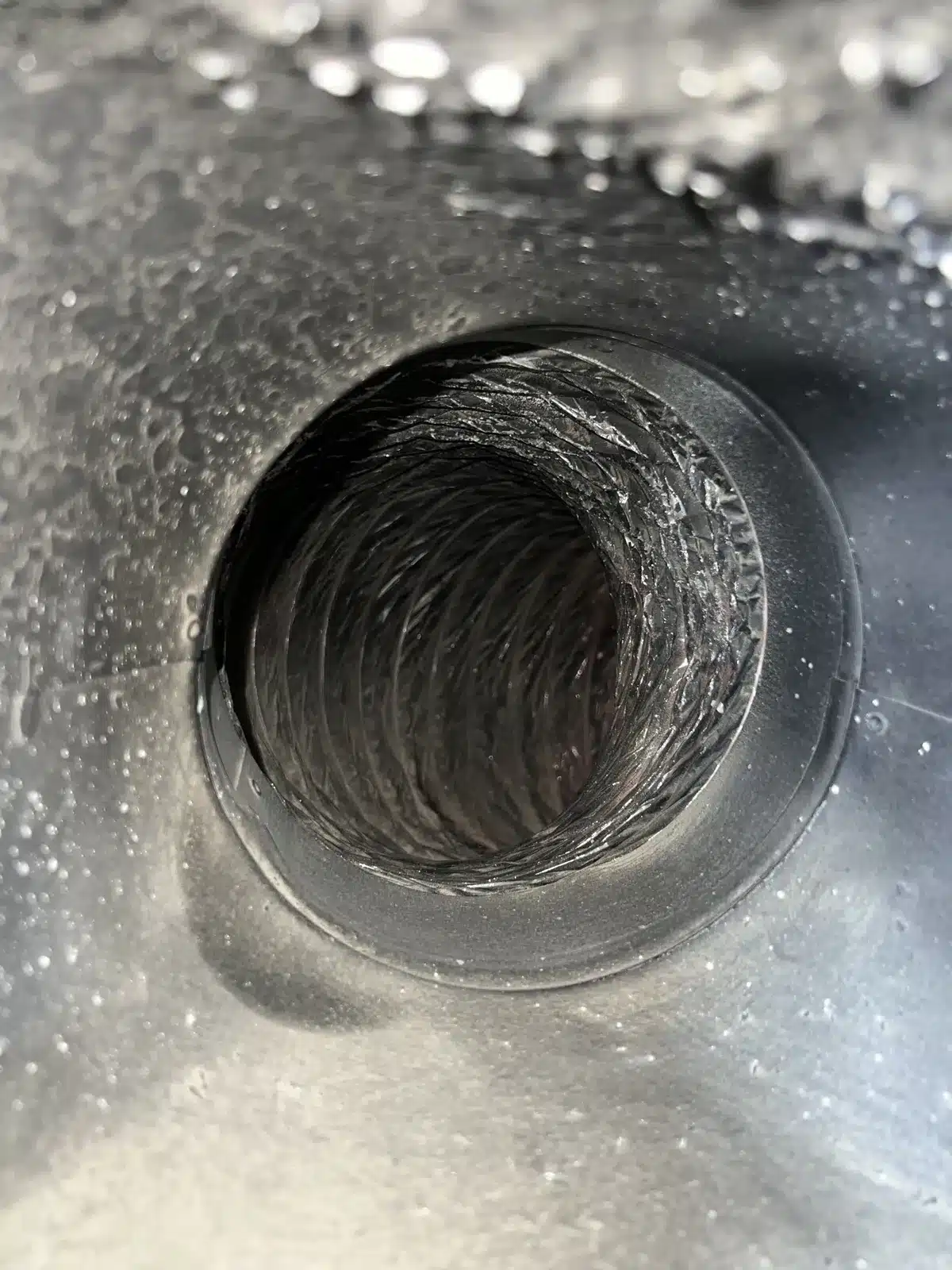
A seller can put fresh paint on every wall, replace the carpet, and hire a make ready crew to scrub the place until it smells like lemon oil. None of that touches the ductwork. Whatever the family before you did in that house for ten or twenty years has been pulled through the returns and deposited along the duct walls the whole time.
Pets are the big one. Dander is light, sticky, and it clings to the inner liner of flex duct. If the sellers had two dogs and a cat, that dander does not leave with them. A common pattern: a family with no pets moves in, and within weeks someone's allergies flare up in a house that looks spotless.
Smoke is the second offender. Cigarette residue coats duct interiors with a film you cannot see from the register. Sellers freshen the paint before listing, but the ducts get skipped, and the first cold snap in November tells the truth: the furnace heats that residue and the house smells like an ashtray for an hour.
Then there are the quieter contributors. Heavy candle burners leave a fine soot that shows up as gray shadowing around supply registers. Years of cooking send grease particles into the return. And if the sellers remodeled to get the house market ready, much of that drywall dust went straight into the system and is waiting to be blown back out. For homes with real pet or smoke history, pairing the cleaning with air duct sanitizing addresses the odor and residue that brushing alone leaves behind.
The Best Window: After Closing, Before the Furniture Arrives
There is one perfect moment to do this: the gap between getting the keys and unloading the truck.
An empty house changes everything about the job. Every register and return grille is reachable without moving a bed or sliding a china cabinet. Nothing needs to be covered. Any dust dislodged during the work lands on bare floors that were getting cleaned anyway, not on your couch. The tech moves between attic, closets, and garage without stepping around boxes.
Order matters too: ducts first, carpets and floors second, so anything that settles during duct work gets picked up afterward. Even a single free day between closing and the truck is enough for most homes.
One more local reality: moves here often happen in brutal heat, doors propped open for hours while the AC fights to keep up. The system pulls hard during a summer move, and you want it pulling through clean ducts, not redistributing the old owners' dust onto everything you carry in.
Add a Dryer Vent Check While the House Is Empty
The dryer vent is the most neglected duct in any home sale. Nobody, not the seller, not the buyer, not the inspector, knows when it was last cleaned. You are inheriting a stranger's lint.
In plenty of DFW two story homes the vent runs a long path through interior walls and terminates on the roof, so buildup never shows from the laundry room. Packed lint means long dry times, a hotter dryer, and a real fire risk. Spring also brings birds nesting in roof terminations, another thing you find out about only when the dryer stops venting. A dryer vent cleaning takes a fraction of the time the duct job does, and it makes sense to bundle both into the same visit while the laundry room is still empty.
What Home Inspectors Do Not Check During a Sale
Buyers often assume the inspection covered this. It did not, and that is no knock on inspectors. A standard home inspection is a visual, systems level check. For HVAC, that usually means confirming the equipment runs, checking the temperature difference between supply and return, and noting the age of the visible components.
What it does not include: running a camera through the duct runs, opening the plenum, checking the inner liner of flex duct for buildup or damage, or verifying the dryer vent path is clear to the termination. Crushed flex duct in the attic, a deteriorating plenum interior, and a decade of accumulation are all invisible to a normal inspection, and the seller's disclosure form does not ask about any of it.
The practical takeaway: treat duct condition as an unknown on every purchase, the same way you treat the remaining life of a water heater. Nobody has the information until someone looks.
Why DFW Housing and Climate Raise the Stakes
First, the housing stock. Older neighborhoods in Richardson, Garland, and east Fort Worth are full of homes from the 1960s through the 1980s, many still running aging ductwork that has never been cleaned once. Newer builds out in Frisco, Prosper, and Little Elm mostly use flex duct in attics that bake all summer, and fast growing suburbs mean years of nearby construction dust getting pulled into systems.
Second, the climate. North Texas allergy season barely takes a break: cedar in winter, oak in spring, ragweed in fall. Your AC then runs long hours from May through October, circulating the same indoor air over and over. Whatever the previous owners left in those ducts rides along on every cycle until it is removed. Doing it once, before you move in, resets the baseline.
FAQ: Duct Cleaning for a New Home
The house looks spotless. Do I still need the ducts cleaned?
A make ready cleaning covers what you can see and touch; ducts are out of scope for those crews. The honest test comes the first time the furnace runs in fall: a musty or smoky smell means the ducts are telling you what the surfaces could not.
How long does it take, and do I need to be there the whole time?
Most homes take a few hours, and an empty house goes faster than a furnished one. Meet the tech at the start, walk the house together, and run moving errands while the work gets done.
What if the previous owners smoked or kept pets?
Cleaning removes the loose buildup, which handles most dander and dust. Smoke residue and embedded odor cling harder, so mention the history when you book and ask about sanitizing as an add on for those homes.
Closing on a house in Dallas, Plano, Frisco, Fort Worth, or anywhere in between? Grab that empty week before the furniture arrives. Browse our air duct services for the Dallas area, or call or text Dylan directly at (469) 444-1064 and we will get you scheduled between closing day and moving day.